
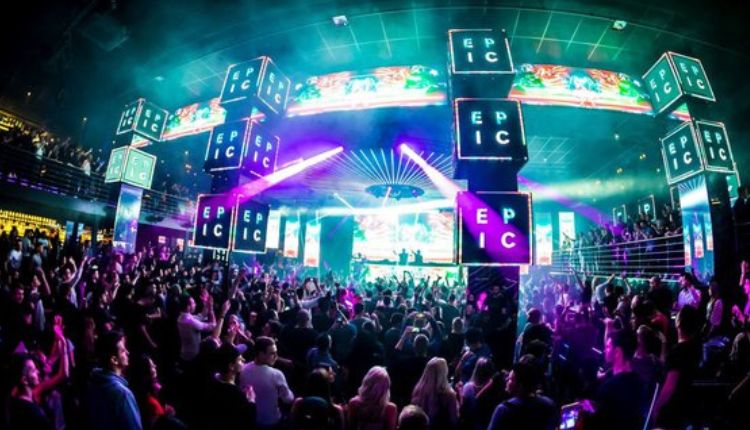
ENTERTAINMENT is anything that makes people laugh or feel relaxed. It can be an external stimulus, such as a play or movie; or an internal stimulus, such as sports or games. People may consume entertainment passively, such as by watching a movie or playing; actively, such as playing a game; or create their own, like telling a story or creating art.
Movies
Movies are one of the most common forms of entertainment, and they have been around for centuries. They are easy to access and can be a great way to relax after a long day at work. They can also be used to entertain friends and family members and can help to relieve stress. Some of the most popular types of movies include action, drama, and comedy films. Action movies are a type of film that features action scenes such as car chases, gun fights, and explosions. They often have a hero or protagonist who is trying to save the day from villains.
Comedy films are a type of film that is designed to make people laugh. They usually have a storyline that involves humorous situations and witty dialogue. They can be further categorized into different sub-genres such as romantic comedies and slapstick comedy. The movie industry is undergoing significant changes with the rise of streaming services such as Netflix. These services offer on-demand access to a library of content that is often more affordable than going to the theater. This shift has impacted the number of people visiting movie theaters and may change the future of the industry.
Television
As its name suggests, television is “radio with pictures.” Like radio waves, television signals are invisible patterns of electricity and magnetism that race through the air at the speed of light. But television sends not only sound but also a picture — and it can transmit that picture both live and on demand. The concept of television dates back to 1880, when a journal article suggested that it might be possible. But it was another 1884 patent, by a German engineer named Paul Nipkow, that took TV to its next stage. His design was based on a rotating disk perforated with an inward-spiraling pattern of holes, which blocked reflected light from the subject and let through only the first line of the image at a time.
From its inception, the popularity of television has caused controversy over its role in society. Many critics have argued that television promotes materialism and leads to the belief that happiness is equated with buying products. Others have claimed that a proliferation of violent or sexually explicit programming harms children.
Books
From books about movie making and stardom to the latest plays written by top authors, there are endless options for anyone interested in learning more about the entertainment industry. These books give readers a behind-the-scenes look at the creative process and introduce them to the personalities who make it all happen. Corey Field’s text is one of the first to effectively address all aspects of the entertainment industry, including book and magazine publishing, film, music, television, live theater, radio, celebrity rights, privacy, and cyber law. His eight detailed chapters are organized into clear-cut sections allowing students to focus on the issues that they may be facing at any given time and include statutes relevant to each area of the industry.
This text is the ideal resource for students enrolled in entertainment management, events management, and related tourism courses. It offers an up-to-date and comprehensive understanding of each sector, the products they produce, their current issues, micro and macro business, environmental influences, and case studies. It is also the only textbook to cover the topic of copyright law in the entertainment industry and how it applies to new technologies.
Sports
In a globalized world, the interwoven economic, political, social, and cultural patterns that shape sports and entertainment industries are more complex than ever. As a result, continuous growth and transformation are forcing companies in the industry to take a more sophisticated approach to audience engagement and revenue generation. With a projected market size of $27,622 million by 2022, the sports events industry continues to thrive and evolve. With new technologies developing on a daily basis and an influential consumer base, it’s important to develop an organizational structure that allows for flexible decision making and is more adaptable to changes.
With over 250 million eSports enthusiasts and a growing millennial audience, the industry is poised to grow even more. But with COVID-19 in the rearview mirror, and many consumers still hesitant to attend live events, it will be crucial to keep an eye on market shifts and entertainment trends throughout 2022.
Video Games
A video game is a computer or electronic game that uses a user interface to generate visual feedback on a video device. It can be a standalone product or integrated with other media like movies, television shows or music. It can also be a component of computer learning or other entertainment systems such as arcades. Video games are now the biggest industry in the world’s entertainment sector and rival any other medium in terms of revenue. They are played by all ages, genders and cultures and are even used as training tools in some sports and military industries. Some even incorporate a wide range of topics like history, science, cooking, politics, art and chemistry.
In addition to their popularity, they have often been the subject of controversy and censorship by parents’ groups, politicians and organized religious organizations. They are also frequently criticised for their depiction of graphic violence, sex, Advergaming (a form of advertising in games) and controversial language. The video gaming industry has developed a self-regulatory system similar to the movie ratings board (ESRB) in which all major game makers are required to submit new products for approval before they can be released.
Open Mic Nights
Many pubs, bars, clubs, and cafes hold open mic nights to give aspiring musicians the chance to showcase their talents in front of a live audience. The performers usually have to bring their own musical instruments and music equipment. They may also have to pay a venue rental fee to use the space. Each performer is typically asked to keep their set to a maximum of three songs or 15 minutes. This is to ensure that each person gets enough time on stage and doesn’t overstay their welcome. If the performer exceeds their allotted time, the host or MC diplomatically thanks them for their contribution and asks them to yield the stage for the next artist.
Open mic nights are a great place for aspiring musicians to practice their craft and build a fan base. They can also get constructive feedback from other musicians and the audience to improve their performance. They are particularly popular in regions with vibrant entertainment cultures. The economic climate can also impact the profitability of open mic nights, as consumers may be more willing to spend money on entertainment in good times.
Magic Shows
Magic shows are a major force in the entertainment industry, creating awe and wonder with every performance. From grand stage illusions to intimate close-up magic, the best magicians in the world captivate audiences with their incredible skills and ability to blur the line between fantasy and reality. For those who prefer a show with a little more humor, comedy magic acts like Piff the Magic Dragon and Mac King blend expert sleight of hand with side-splitting laughs to entertain and delight their audiences. Meanwhile, mentalism and mind-reading magic performers like Derren Brown and Banachek captivate crowds with their uncanny ability to read thoughts and manipulate perception.
Group magic shows are theatrical entertainment experiences that are designed to be seen by all participants at once. This type of magic is ideal for large events and audiences, including corporate functions, wedding receptions, or private parties. In addition to entertaining guests, group magic shows are great for establishing a sense of community and engagement among attendees. They also provide an excellent opportunity for attendees to share their reactions and interactions on social media, boosting event awareness and brand exposure.
Live Music
As one of the most popular forms of entertainment, live music has a direct impact on people’s well-being. According to a study from O2, those who frequently attend concerts report high levels of self-worth, contentment and social closeness. A concert is a live musical performance that takes place in front of an audience. This may be a solo performance called a recital, or a group performance such as an orchestra, choir or band. It is held in a variety of settings, from private homes and small nightclubs to dedicated music venues such as theaters or amphitheatres. Other informal names for a concert include show or gig.
The live music industry includes promoters who book bands for concerts; venue owners and managers who operate clubs, theatres, arenas or stadiums; and tech crews who provide lighting, sound and video projection. The industry is often referred to as the “music ladder”, and successful artists will work their way up from local pubs, cafes or grassroots venues to large-scale arena shows. Many performers also enhance the spectacle of their concerts by incorporating other entertainment devices such as pyrotechnics, inflatable sets and artwork or elaborate stage lighting.
Conclusion:
The popularity of these entertainment forms is a testament to their ability to resonate with the human experience. Whether it’s the cinematic immersion that movies offer, the emotional narratives of literature, the rhythmic harmony of music, or the interactive engagement of video games, each form has a unique power to evoke emotions, create connections, and inspire conversations. As we continue to evolve, these forms of entertainment remain steadfast companions, enriching our lives and serving as a universal language that bridges cultures, generations, and backgrounds.
