
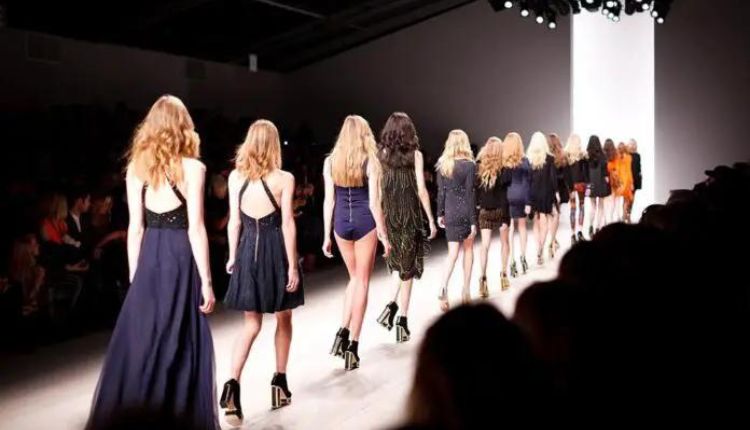
Fashion is a system of recurring trends and fads in dress, manners, socializing, or other aspects of appearance. It also refers to a particular style or quality of clothing. Famous people like musicians and models have long been influencing fashion trends. But lately, fashion has walked off the catwalk and into the street, with bloggers taking on this role of trendsetters.
Style Changes
The way we dress can say a lot about us. It can show what we like, our attitude toward life, and what we are into at the moment. It is also an expression of our social status and how we want to be perceived. Fashion is not limited to clothes alone, but can also encompass styles of hair, makeup, and even how we carry ourselves. In fact, there are some who believe that fashion is actually an art form. The fashion industry is always changing and new trends are constantly emerging. Some of them are short-lived, while others last for longer periods of time. This is particularly true for clothing styles, which change more frequently than other areas of socialbehaviour. It seems that people are never satisfied with the old style and always want something new.
One of the main reasons why fashion changes so rapidly is because it is a reaction to the current state of society and the world around us. For example, new discoveries in foreign lands can influence the way we dress. Europeans in the eighteenth or nineteenth centuries might favor things Turkish, while a later generation might opt for Chinese or Japanese style clothing. If you are looking to make a style change, it is important to think carefully about what it is that you really want. Trying to force yourself into a new style that does not mesh well with your personality or habits will only end in disaster. A good place to start is by creating a style mood board, which can help you figure out what styles really speak to you and work with your body type.
Inspiration
Fashion is a constantly changing medium that can be inspired by many things. From art to the people around us, there are always new ideas being sparked that can influence a person’s appearance. For this reason, it is hard to define what fashion actually is. Instead, it is best to look at it as a mixture of change and inspiration. Fashion can often inspire solidarity and support for social change. Throughout history, clothing has been used to express solidarity for movements like suffrage and equality. It has also been used to raise awareness about issues such as war, poverty and hunger.
The connection between fashion and art has long been established, beginning with the earliest fashion magazines. During this time, talented illustrators produced exquisite fashion plates that were used to illustrate the latest trends in fashion. These were extremely popular and had a great impact on society. In the modern day, fashion designers are often referred to as artists because of their creative process and the way in which they put together an outfit. This is similar to how an artist creates a painting or sculpture, but with fabric. It is important for a designer to be inspired in order to produce a successful collection.
The word “inspiration” has an unusually long history in English. Its figurative sense appears to predate its literal one by a century, and it can be traced back to the Latin inspiratus, meaning “to breathe into”. However, the sense that we use today (“someone or something that inspires”) is much younger, dating from the early 19th century.
New Materials
New materials can affect your style in a big way. A few examples of these new materials include graphene, carbon nanotubes and ionic liquids. They all have unique properties and are being used in various applications. Graphene, for example, has a high electrical conductivity and has the ability to replace steel in many areas due to its strength, flexibility and light transmission abilities. In fact, a large part of modern society’s advances can be attributed to new materials. The twentieth century saw a major revolution in medicine, where more diseases became preventable and more (previously fatal) injuries were treatable than ever before. In addition, the development of new and advanced materials has made it possible to build buildings and cars that are lighter than before and even make them fly.
Although it has become possible to identify promising materials through computer modeling, synthesising them on a commercial scale is still an enormous challenge. It can take months or years to find the right recipe and develop a procedure that is suitable for a particular application. Nevertheless, the material industry is accelerating, thanks to new technologies like 3D or 4D printing, self-assembly and other innovations.
New Techniques
Using new technologies in fashion allows brands to make better products, faster and more efficiently. Fashion technology is affecting many different parts of the business, from designers and producers to retailers and customers. The technology improves operational processes and enables better communication between departments, which leads to higher productivity, less waste, and faster delivery times. For example, artificial intelligence is becoming a popular way to improve the quality of fabrics and streamline production processes. It can detect imperfections in textiles and cut them down to size with great accuracy, helping manufacturers save time and money. In addition, AI can predict customer demand and forecast trends. This helps companies produce exactly what people want, which reduces inventory costs and waste.
Another trend is sustainable clothing, which uses natural or renewable materials. Some brands are experimenting with innovative materials such as bio-based faux fur, leaf fiber, vegetable cashmere, and biomass fabric. Some brands are also offering eco-friendly packaging, such as paper or jute bags made from recycled or biodegradable plastics. Fashion tech is also affecting the supply chain process by promoting traceability and transparency. Startups such as Retraced are using blockchain to enable supply chain tracking and verification. These technologies help to keep records of every step of the supply chain, ensuring transparency and reducing waste.
Other fashion tech innovations include virtual fashion showcases, which are a digital alternative to physical fashion events and shows. These events can be a fun and interactive way for users to try out new styles, without the typical physical waste of traditional fashion shows. Additionally, startups like Speetra are transforming traditional garment manufacturing into digital ones by converting 2D sketches into 3D-printed designs. This can be a great way to increase personalization and engage younger consumers while cutting down on waste.
Business
It’s a multi-billion dollar industry that dictates how we look. From what’s in stores to what we see on TV, our style is influenced by business tactics. Whether or not you want to believe it, big corporations decide what fashions are in style and when they’re out. They can even make it so that certain styles never seem to make a comeback. Some designers argue that this type of copying is good for the industry because it allows a new designer to take an old design and give it a fresh look, which brings in more money and gives the fashion world continuous growth. While others say that this practice can be a detriment to the industry because it can hurt smaller, boutique designers who try to keep their original designs.
Regardless of how you feel about this issue, it’s something that is unavoidable. However, if you want to help reduce the environmental impact of this huge industry, it’s important to support sustainable brands and eco-conscious materials.
Conclusion:
Fashion is an ever-evolving form of self-expression, encompassing clothing, accessories, hairstyles, and trends that reflect cultural, social, and individual identities. It goes beyond mere clothing choices, serving as a dynamic means of communication and artistic expression. Fashion enables individuals to convey their personalities, beliefs, and emotions through their outward appearance, fostering a sense of belonging and uniqueness in a diverse world.
FAQs (Frequently Asked Questions):
How Does Fashion Influence Our Lives Beyond Aesthetics?
Fashion extends beyond aesthetics by influencing various aspects of our lives. It can impact our confidence and self-esteem, affecting how we present ourselves to the world. Additionally, fashion reflects cultural and societal shifts, acting as a mirror of historical and contemporary values. The fashion industry also has economic implications, generating employment, promoting creativity, and driving consumer behaviors.
Is Sustainable Fashion A Significant Trend, And Why Does It Matter?
Yes, sustainable fashion has gained prominence due to increasing concerns about environmental impact. Sustainable fashion emphasizes ethical practices throughout the supply chain, from sourcing materials to production and disposal. This trend matters because traditional fashion practices often lead to excessive waste, pollution, and unethical labor practices. Embracing sustainable fashion can reduce these negative impacts, promote responsible consumption, and encourage the industry to prioritize environmental and social well-being.
