
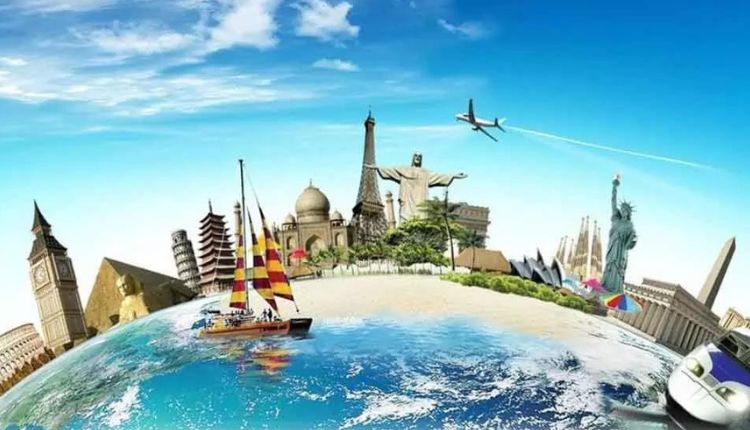
Travel is any movement from one place to another. This movement can be a form of leisure or business. Group tours are often associated with crowded buses of camera-clicking tourists racing through destinations. However, tour groups can also offer authentic experiences with less negative impact on the environment. Establishments primarily engaged in providing travel information and acting as agents in the arrangement of tours for sale. This industry includes wholesale tour operators and receptive operators.
Origins
In the past, travel was largely a leisure activity that was undertaken by the wealthy. They would take excursions from their homes to visit places of interest and learn about different cultures. They also took the opportunity to indulge in various activities such as shopping and socializing. Eventually, the practice became popular amongst the middle classes as well. This was partly due to developments in transport which made it possible for people to travel long distances more quickly and comfortably. The first tourist agencies were founded in the 19th century. One of the most notable pioneers was Thomas Cook & Son which was the first to offer packages that included transportation, accommodation and food tickets. This led to a significant reduction in costs and made holidays more accessible for a wider audience.
It was also at this time that people started to travel for religious purposes. Pilgrimages were particularly popular and could be undertaken for a number of reasons including healing and cleansing. They also acted as a way to get away from the troubles and upheavals that were rife in Britain. The word ‘tour’ is a Latin term that means journey or expedition. This is a perfect description of what a tour actually is, and it refers to the whole package of travelling. The origin of the word is uncertain, but it is believed to have come from Old French travailed (to toil or struggle) and earlier from Old English travel (to wander). The word is now used both as a noun and a verb. It is common to see it combined with the gerund ’inn’ as in the sentence ‘He is on his travels’.
Unlike the Greek and Roman upper class who often used their villas as summer retreats, the middle classes began to travel for leisure purposes too. This was mainly due to the availability of cheaper modes of transport and improved connections between destinations. The Grand Tour was a tradition amongst the elite men of Europe which saw them travel across Europe in a process of cultural exploration. This continued until the 1840s when railway systems were developed across the entire continent, opening up travel to working and lower middle classes.
The TRAVEL & TOUR industry has changed significantly since the times of the Grand Tour. Technology has helped to make it more affordable, and it is now possible for almost anyone to travel the world and experience a wealth of culture. This trend is likely to continue as the global economy continues to grow and more people have access to disposable income. The use of the internet and other technological tools has also helped to make it easier and quicker for people to book their dream trips online. They can use apps such as Origin to create a fully customized end-to-end travel experience. This company combines local travel curators with machine learning to create a more personalized experience.
Types
There are many different types of travel and tour. Some of these are very specific, such as heritage tourism which focuses on visiting places with a historical significance such as Egypt for the pyramids, Italy for the Colosseum or Peru for Machu Picchu. Others are much broader, such as adventure travel, which aims to take people out of their comfort zone. This could be jumping out of airplanes, white water rafting or trekking through jungles. Other travel types are focused on a particular activity such as shopping or sports. For example, some people travel far and wide to attend a major sporting event such as the Wimbledon tennis tournament, Formula 1 Grand Prix or the football World Cup. Then there is leisure tourism, which aims to provide people with relaxation and entertainment. Some of the most popular activities in this category include soaking up the atmosphere of a city, attending a music festival or taking a cruise.
The final travel type is cultural tourism, which involves visiting a country or region for the purpose of experiencing its culture and learning about its history and traditions. This is particularly popular in Europe and Asia, where many of the world’s cultures originated. In addition, there are also many other forms of TRAVEL & TOUR that are more niche and targeted at particular groups of travelers. These can include business tourism, which focuses on the needs of businesses or corporate clients; health and wellness tourism, which seeks to improve or maintain a person’s physical or mental wellbeing; or special interest tourism, which focuses on specific hobbies, interests or events such as art, architecture or food.
Another key area of TRAVEL & TOUR is the transport sub-category, which encompasses all forms of transport that carry passengers. This includes everything from air, land and sea transportation to car hire and coach tours. It also includes the broader category of leisure tourism, which covers everything from cruise ships to theme parks and hotels.
The most well-known and common form of TRAVEL and tour is package travel, which first came into prominence during the 20th century with companies like Thomas Cook promoting tours to a range of destinations on one ticket. This was made possible by improvements in road, rail, and air transport infrastructure that meant people could be transported to far-flung locations quickly and affordably. In the modern age, however, the concept of package travel has morphed into other categories such as group travel and tailor-made trips. This is especially the case in regions where the COVID-19 pandemic led to increased safety and cleanliness protocols for tour bus operators. This has helped to return this once-diminishing form of travel back into favor. In fact, it is now one of the fastest-growing segments of the industry!
Advantages
Traveling is a great way to learn about other cultures, expand your horizons, improve your communication skills, and forget about everyday troubles for a while. It also helps you stay healthy and create cherished memories. In addition, travelling can help you develop trust in yourself and prove to yourself that anything is possible. The most important advantage of traveling is that it allows us to step outside our comfort zone and see how we can cope with different situations. When we travel, we encounter different languages, cuisines, and customs. We also meet people who are different from us and try to find common ground to communicate with them. This experience teaches us how to deal with difficult situations and gives us confidence that we can overcome any challenges that we face in life.
Another advantage of traveling is that it provides a break from daily routine and makes us happy. It can also help you build a sense of achievement by visiting new places and seeing the world. It can also give you a chance to bond with family and friends. If you are interested in learning about a particular part of the world, taking a tour may be an ideal option. These trips can be planned around your preferences and can include accommodations, transportation, and event tickets. A good tour operator will also provide you with a guide who can give you insights about the area and its culture.
A major benefit of taking a tour is that it can be very affordable. Tours typically have a set price and include accommodation, transport, and most meals. This can save you money and allow you to focus on enjoying your trip. In addition, a tour company will have an on-road team that will be able to handle any issues that arise during your trip. In addition to a on-road team, tours can also have an around-the-clock support team that can help you with any issues that may occur while you are on your trip. This is a huge advantage as it can be difficult to know who to contact when something goes wrong during a trip.
In addition to having an on-road team, travel companies can also have a global around-the-clock support network. This can be especially useful if you are a solo traveler or traveling with children. These teams can provide you with the peace of mind to enjoy your vacation without having to worry about the safety and security of yourself or your loved ones. A good travel company will have a strong reputation and an excellent customer service team to make your trip as stress-free as possible. This will ensure that you have a memorable and enjoyable trip. Moreover, a good travel company will take the time to understand your needs and will tailor their services to suit you.
Conclusion:
In a world filled with endless wonders and awe-inspiring destinations, travel and tourism offer us the chance to explore, learn, and grow like never before. “Wanderlust Unleashed: Embark on a Journey beyond Boundaries” encapsulates the essence of this exciting adventure. As we traverse the globe, we discover new cultures, meet incredible people, and create memories that last a lifetime. So, whether you’re seeking relaxation on a pristine beach, craving an adventure through untamed landscapes, or yearning to immerse yourself in diverse cultures, let your wanderlust run wild. The world is yours to explore, and every journey is a chance to uncover the extraordinary.
FAQ 1:
What should I consider when planning my travel itinerary? When planning your travel itinerary, several factors come into play. First, identify your budget and the duration of your trip. Next, choose your destination based on your interests, whether it’s culture, adventure, relaxation, or a mix of these. Research the local customs, visa requirements, and any health precautions needed. Create a flexible schedule that allows for spontaneity, but also includes must-see attractions. Lastly, don’t forget to book accommodations and transportation in advance to secure the best deals and availability.
FAQ 2:
How can I make my travel experience more sustainable? Making your travel experience more sustainable is a responsible and rewarding choice. Start by minimizing your carbon footprint through eco-friendly transportation options like trains or electric vehicles. Choose eco-conscious accommodations that prioritize sustainability. Reduce single-use plastics by carrying reusable water bottles and bags. Respect local cultures and wildlife by following ethical guidelines and supporting responsible tourism initiatives. Lastly, opt for local and seasonal products to support the community and reduce your impact on the environment. Remember, sustainable travel not only benefits the planet but also enriches your travel experience.
